Why Architects Are Switching to Bamboo Cladding in 2026
In 2026, architects are rethinking material choices for façades and outdoor wall systems. The shift is clear: performance, sustainability, and design flexibility are now equally important.
Among emerging materials, bamboo cladding is rapidly gaining attention as a reliable and future-ready solution.
But why are more architects specifying bamboo instead of traditional materials like hardwood, aluminum, or composite panels?
1. A Balance Between Design and Performance
Modern architecture demands materials that are not only visually appealing but also technically reliable.
Veribambu® bamboo cladding is proceeded through high-density compression and thermal treatment, resulting in:
- Excellent dimensional stability
- Resistance to outdoor weather conditions
- Long-term structural performance
Compared to traditional wood, bamboo offers more consistent behavior under humidity, heat, and rain.
2. Greater Design Flexibility
Architects are increasingly looking for materials that allow creative expression without compromising functionality.
Veribambu® offers multiple options:
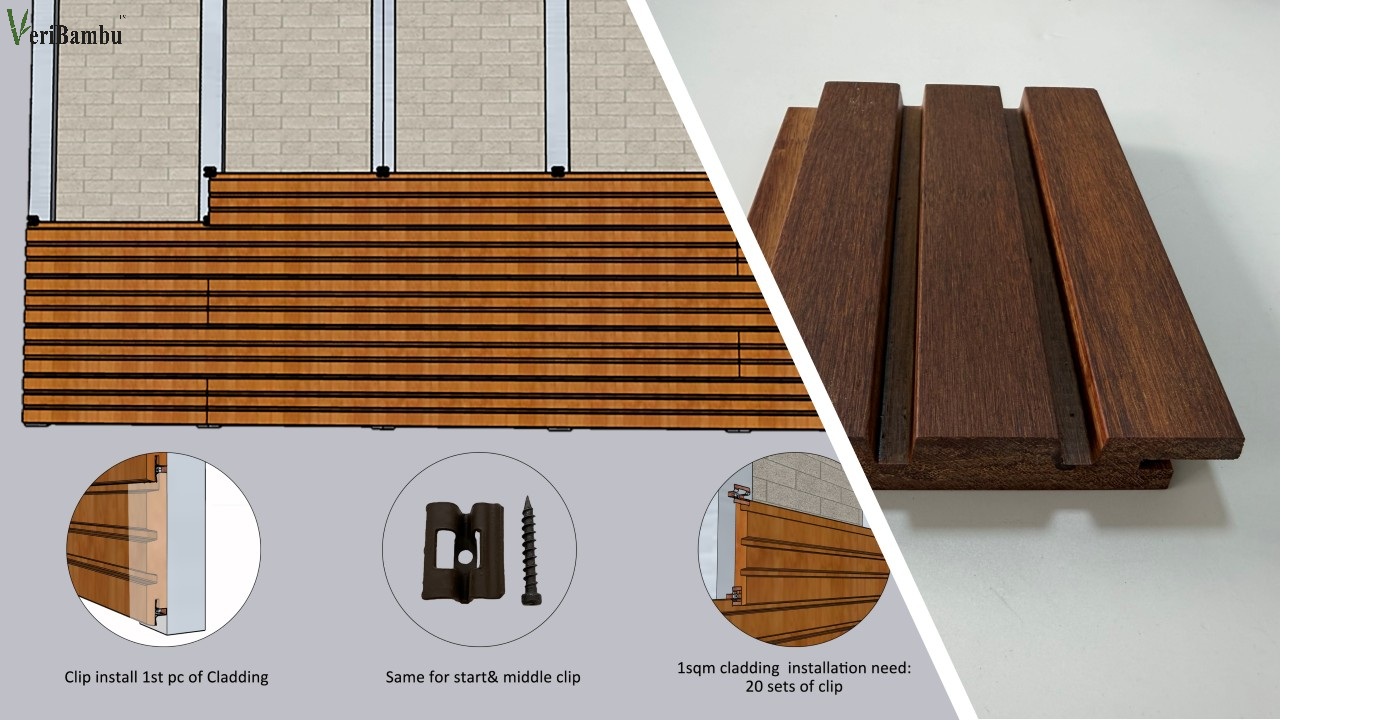
- Profiles: groove profile (clip system) and shiplap
- Surface: flat or fluted
- Colors: dark coffee and teak
This allows designers to create:
- Clean modern façades
- Textured feature walls
- Warm natural exterior finishes
3. Versatile Dimensions for Modern Projects
One of the key reasons bamboo cladding is gaining popularity is its flexibility in sizing.
Available dimensions include:
- Lengths: 1860 / 2440 / 2900 / 3600 / 4200 mm
- Widths: 100 / 137 / 178 mm
- Thickness: 12 / 18 / 20 mm
These variations allow architects to:
- Reduce visible joints
- Create large seamless surfaces
- Customize façade layouts

4. Proven Outdoor Performance
Outdoor cladding must withstand:
- UV exposure
- Rain and humidity
- Temperature fluctuations
Veribambu® bamboo cladding is engineered to:
✔ Reduce warping and twisting
✔ Maintain structural integrity
✔ Deliver stable long-term performance
This makes it suitable for:
- Residential façades
- Commercial buildings
- Hospitality and resort projects
5. Sustainability Is No Longer Optional
Sustainability is no longer a trend—it is a requirement.
Unlike hardwood:
- Bamboo grows in 4–6 years
- Regenerates without replanting
- Has lower environmental impact
For architects working on green-certified buildings, bamboo provides a strong environmental advantage.
6. Efficient Installation Systems
Time and efficiency on-site are critical.
Veribambu® offers:
- Groove profile for clip installation
- Shiplap system for fast alignment
These systems:
- Reduce installation time
- Improve consistency
- Deliver clean visual results
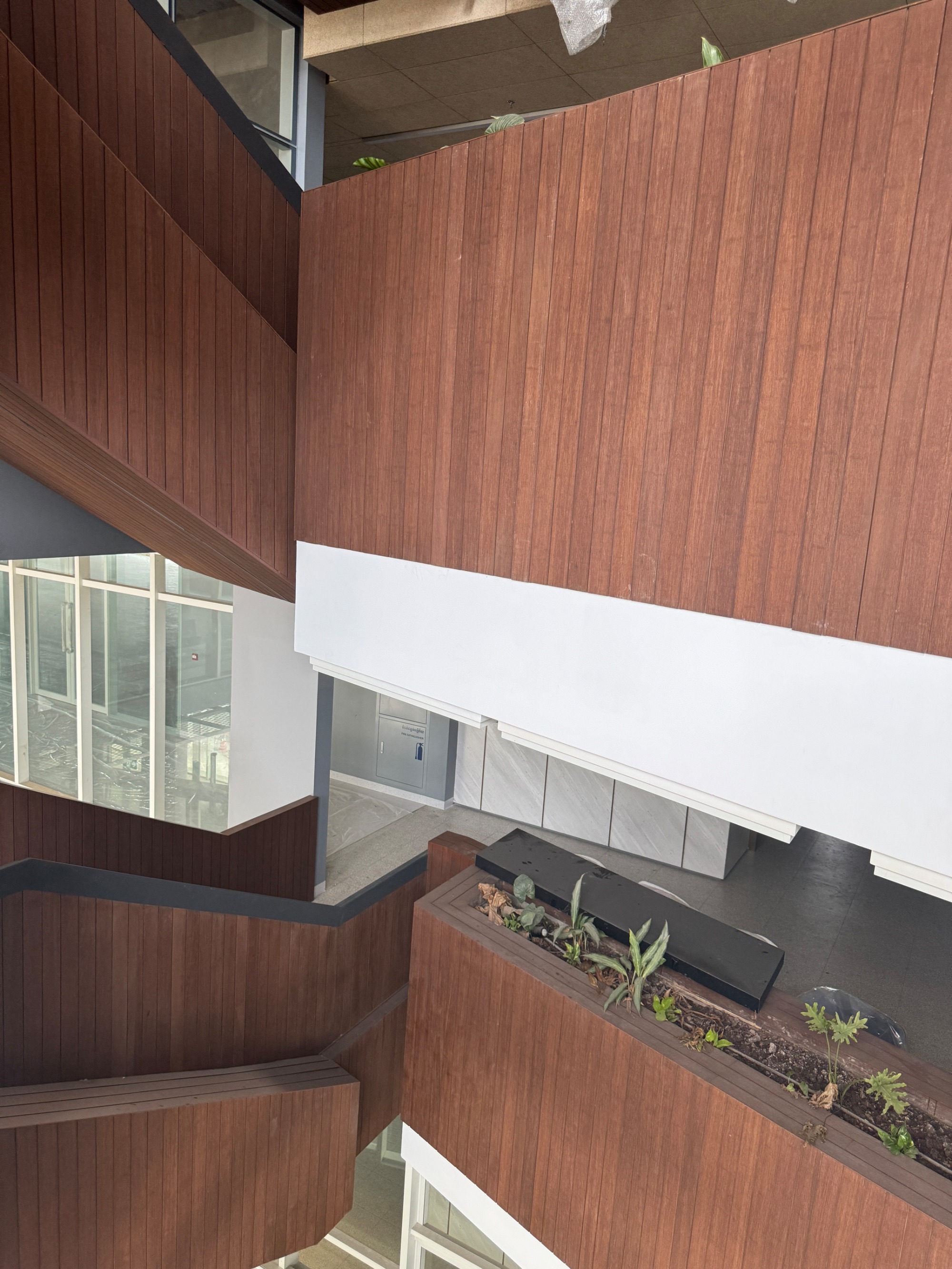
The shift toward bamboo cladding is not just about sustainability—it’s about performance, flexibility, and modern design needs.
For architects in 2026, bamboo represents:
✔ A stable outdoor material
✔ A flexible design solution
✔ A sustainable alternative
About Veribambu®
Veribambu® specializes in high-performance bamboo building materials for outdoor and architectural applications.
Explore more: https://www.ebmaterial.com/collections/bamboocladding