The flowering cycle of Mao Bamboo
The flowering cycle of Mao Bamboo (毛竹, Phyllostachys edulis), also known as Moso Bamboo, is a rare and fascinating phenomenon.
Flowering Cycle of Moso Bamboo
1. Periodicity
Moso bamboo has an exceptionally long flowering cycle, typically ranging 60–120 years. Some reports suggest intervals of up to 130 years under certain conditions.
2. Synchronized Flowering
Unlike many plants, Moso bamboo exhibits gregarious flowering, where entire populations over large geographic areas bloom simultaneously. This synchronization remains a mystery but is thought to involve genetic and environmental triggers.
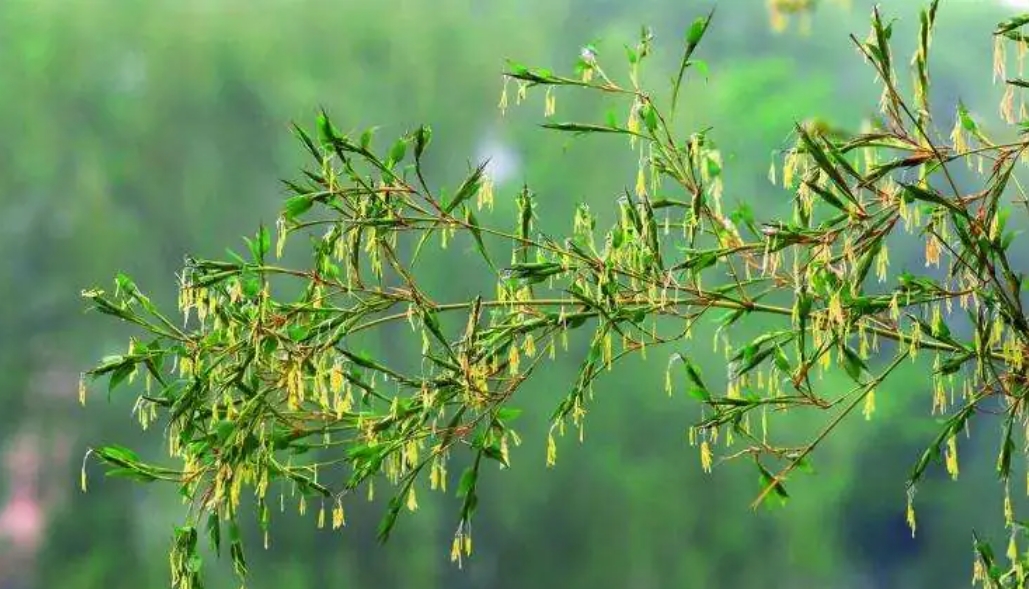
3. Post-Flowering Effects
- After flowering, the bamboo culms (stems) die, as it is a monocarpic species (flowers once, then dies).
- Seeds are produced, enabling new growth, but regenerating a mature bamboo forest may take decades.
4. Ecological & Economic Impact
- Flowering events disrupt ecosystems (e.g., affecting pandas reliant on bamboo) and industries (e.g., timber, paper).
- Seed collection is critical for forest recovery but is labor-intensive.
5. Scientific Interest
The triggers for flowering—possibly involving hormonal changes, stress, or genetic "clocks"—are still under study.
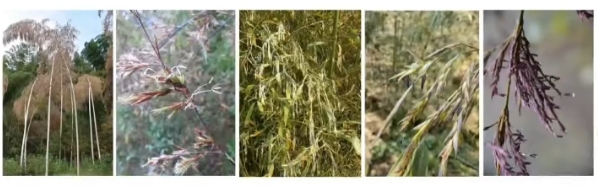
This cycle’s rarity and unpredictability make it both ecologically significant and a challenge for bamboo-dependent industries.