How Veribambu™ Bamboo is Pioneering Compliance with the EU Green Deal for Building Materials
The European Union's Green Deal is more than a policy; it's a fundamental blueprint for a continental-scale transformation towards a sustainable, climate-neutral economy. For the construction sector—a major contributor to energy consumption and carbon emissions—this represents both a formidable challenge and an unprecedented opportunity. Central to this transition is the materials we build with.
Architects, specifiers, and developers across Europe are now urgently seeking building products that align with the Deal's ambitious goals. They are asking: "Which material truly fulfills the stringent requirements for carbon neutrality, circularity, and sustainable sourcing?"
The answer, increasingly, is bamboo. But not all bamboo is created equal. Veribambu™, through its advanced engineering and certified processes, is positioning fused bamboo as not just a compliant choice, but a leading solution for meeting and exceeding the EU Green Deal's standards. This article details how.
The EU Green Deal: A Quick Primer for the Building Industry
The EU Green Deal aims to make Europe the first climate-neutral continent by 2050. For the building sector, this is operationalized through key strategies like the Renovation Wave and the Circular Economy Action Plan, which focus on:
- Reducing embodied carbon in building materials.
- Promoting sustainable resource use and combating deforestation.
- Enhancing energy efficiency in buildings.
- Fostering a circular economy where waste is minimized, and materials are reused/recycled.
Choosing a material that excels in all these areas is no longer optional; it's essential for future-proofing projects and complying with evolving regulations.
1. Drastically Reducing Embodied Carbon: The Bamboo Advantage
"Embodied carbon" refers to the total greenhouse gas emissions generated throughout a material's lifecycle—from extraction and processing to transportation and end-of-life.
- The Problem with Traditional Materials: Conventional materials like steel, concrete, and even many imported hardwoods carry a significant embodied carbon burden due to energy-intensive processing and long-distance transport.
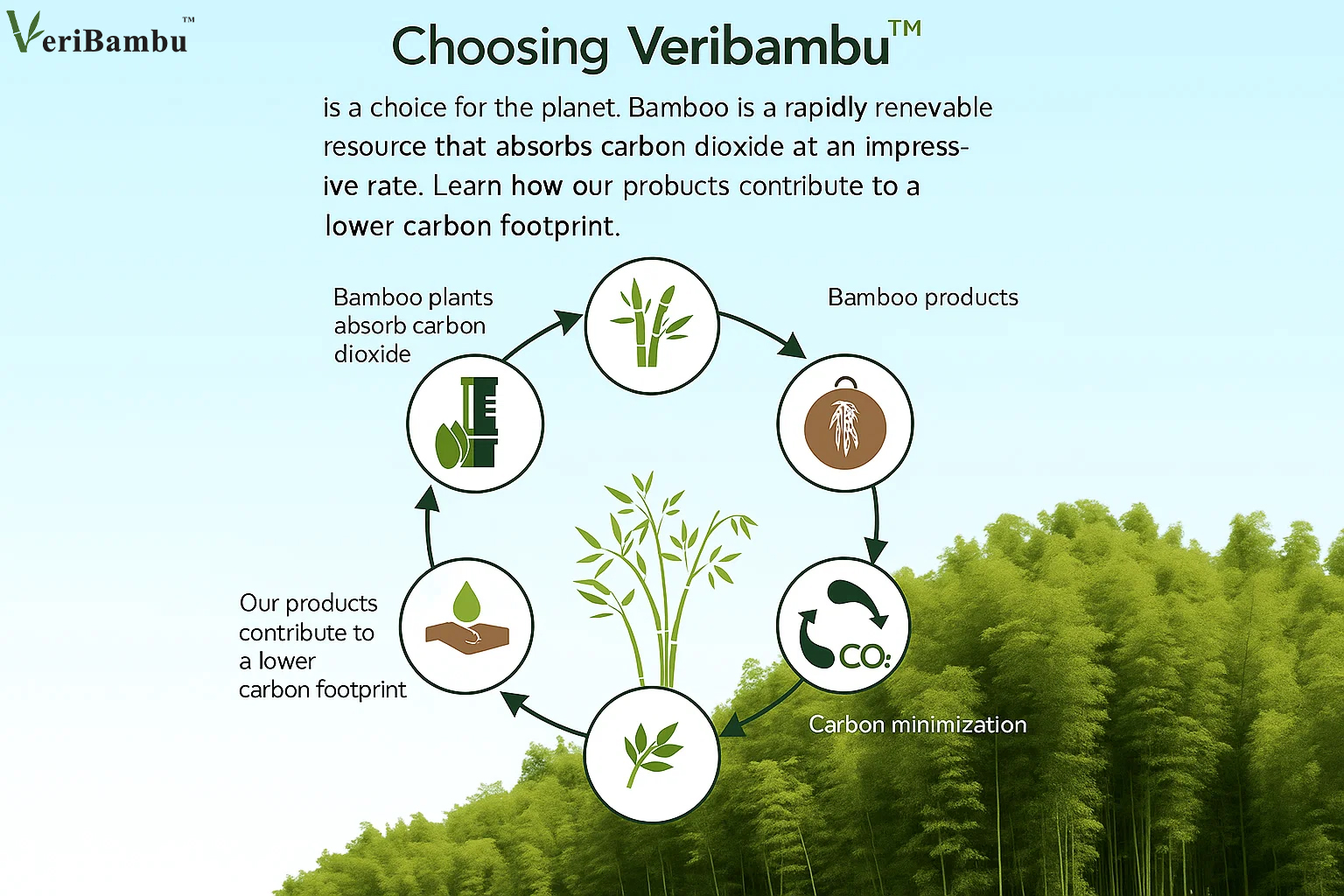
- The Veribambu™ Solution: Bamboo’s lifecycle is inherently low-carbon.
- Ultra-Renewable Growth: Veribambu™ bamboo reaches harvest maturity in 4-6 years, compared to decades for timber. This rapid growth cycle means it sequesters carbon at a much higher annual rate per hectare, acting as a powerful carbon sink.
- Efficient Processing: The energy required to transform bamboo into Veribambu™'s strand-woven products is lower than that for processing dense hardwoods.
- Reduced Transport Emissions: Our strategic sourcing and efficient logistics are optimized to minimize the carbon footprint of delivery to European ports.
Result: A Veribambu™ bamboo product has a demonstrably lower embodied carbon profile than most conventional building materials, directly contributing to the Green Deal's climate neutrality goal.
2. Championing the Circular Economy: From Growth to Rebirth
The circular economy is a pillar of the Green Deal, demanding that materials be kept in use for as long as possible and then regenerated into new products at end-of-life.
- The Linear Model Problem: The traditional "take-make-waste" model of construction generates enormous waste, with materials often ending up in landfills.
- The Veribambu™ Circular Model:
- Durability as a Foundation: The exceptional hardness and longevity of Veribambu™ products mean they last for decades, keeping the carbon locked in and delaying end-of-life disposal.
- Biodegradability: Unlike synthetic composites, at the end of its long service life, Veribambu™ bamboo is fully biodegradable and non-toxic, returning nutrients to the biosphere without polluting it.
- Recyclability: Our products can be repurposed or recycled into new bamboo-based materials, closing the loop.
3. Ensuring Sustainable Sourcing: Combating Deforestation
The EU Regulation on Deforestation-free Products (EUDR) directly targets the import of commodities linked to forest degradation. This places a new onus on proof of provenance.
- The Timber Risk: Complex global supply chains can make it difficult to guarantee that wood products are truly deforestation-free.
- The Veribambu™ Guarantee: We provide absolute transparency.
- FSC®/PEFC™ Certification: All Veribambu™ bamboo is sourced from certified forests that guarantee sustainable management, biodiversity protection, and the exclusion of deforestation.
- Ethical Harvesting: Harvesting bamboo does not kill the plant, and its root system prevents soil erosion, promoting soil health—a key aspect of sustainable land use.
This certified, traceable supply chain makes Veribambu™ a zero-risk choice for compliance with the EU's deforestation regulations.
4. Enhancing Energy Efficiency and Well-being
While often associated with operational energy (heating/cooling), materials also contribute to a building's overall efficiency and occupant health.
- Natural Insulation Properties: Bamboo has natural thermal insulating properties, which can contribute to reducing the energy needed for temperature regulation.
- Low-VOC and Healthy Interiors: Veribambu™ products are manufactured with formaldehyde-free, low-VOC adhesives and finishes. This ensures superior indoor air quality, contributing to healthier living and working environments—a key aspect of the EU's focus on human well-being in the Green Deal.
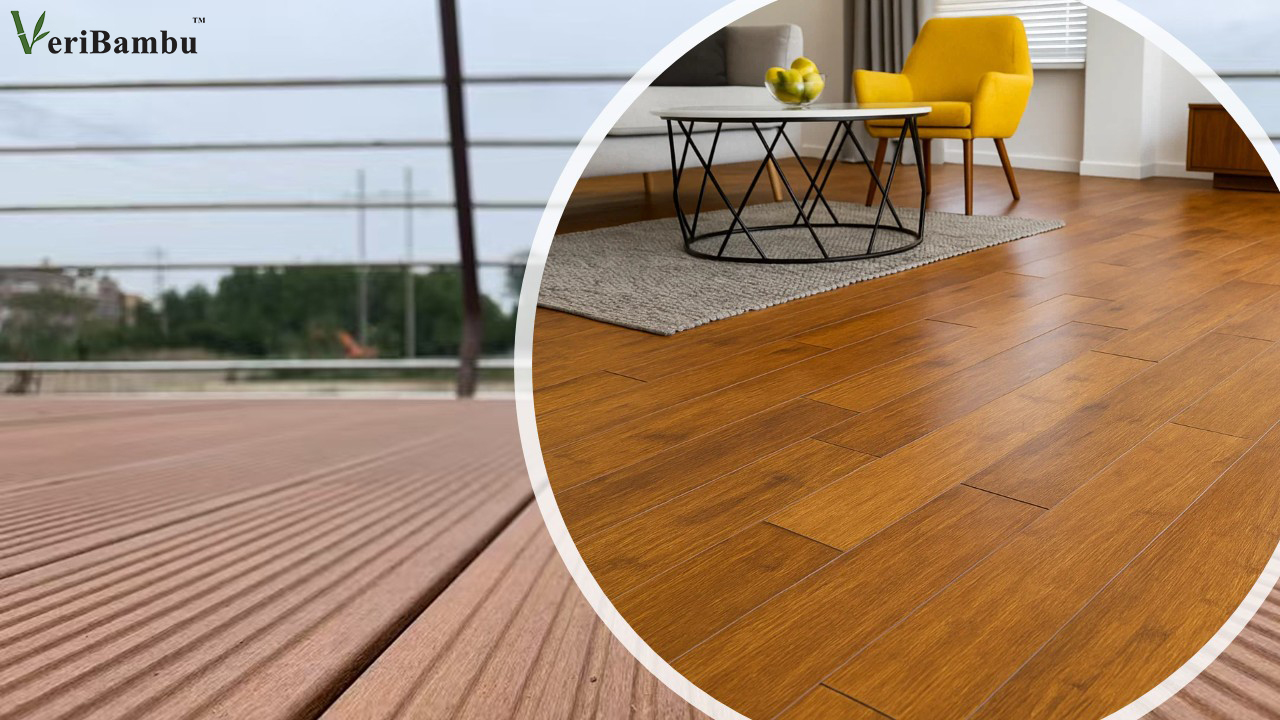
Case in Point: Specifying Veribambu™ for Green Deal Compliance
For a project aiming for certification under schemes like LEED, BREEAM, or DGNB, specifying Veribambu™ bamboo contributes directly to earning credits in multiple categories:
- Sustainable Materials: Rapidly renewable content, certified wood.
- Low-Carbon Design: Reduced embodied carbon.
- Indoor Environmental Quality: Low-emitting materials.
- Waste Reduction: Use of durable materials with end-of-life planning.
Conclusion: Building Europe's Future with Veribambu™
The EU Green Deal is setting a new, higher bar for the construction industry. It demands a shift from business-as-usual to building-as-useful-for-the-planet. Veribambu™ engineered bamboo is not merely a material that fits into this new framework; it is a material that actively accelerates its achievement.
By choosing Veribambu™, you are selecting a product that is:
- Carbon-Conscious: With a low embodied carbon and high sequestration profile.
- Circular by Nature: Durable, biodegradable, and recyclable.
- Ethically Sourced: Certified deforestation-free and sustainable.
- Health-Promoting: Contributing to better indoor air quality and well-being.
In the journey to construct a sustainable, climate-neutral Europe, Veribambu™ bamboo isn't just a smart choice—it's an essential one.
Ready to ensure your next project is Green Deal compliant? Contact our sustainability experts today for detailed EPD (Environmental Product Declaration) data and technical support to make your specification process seamless.